
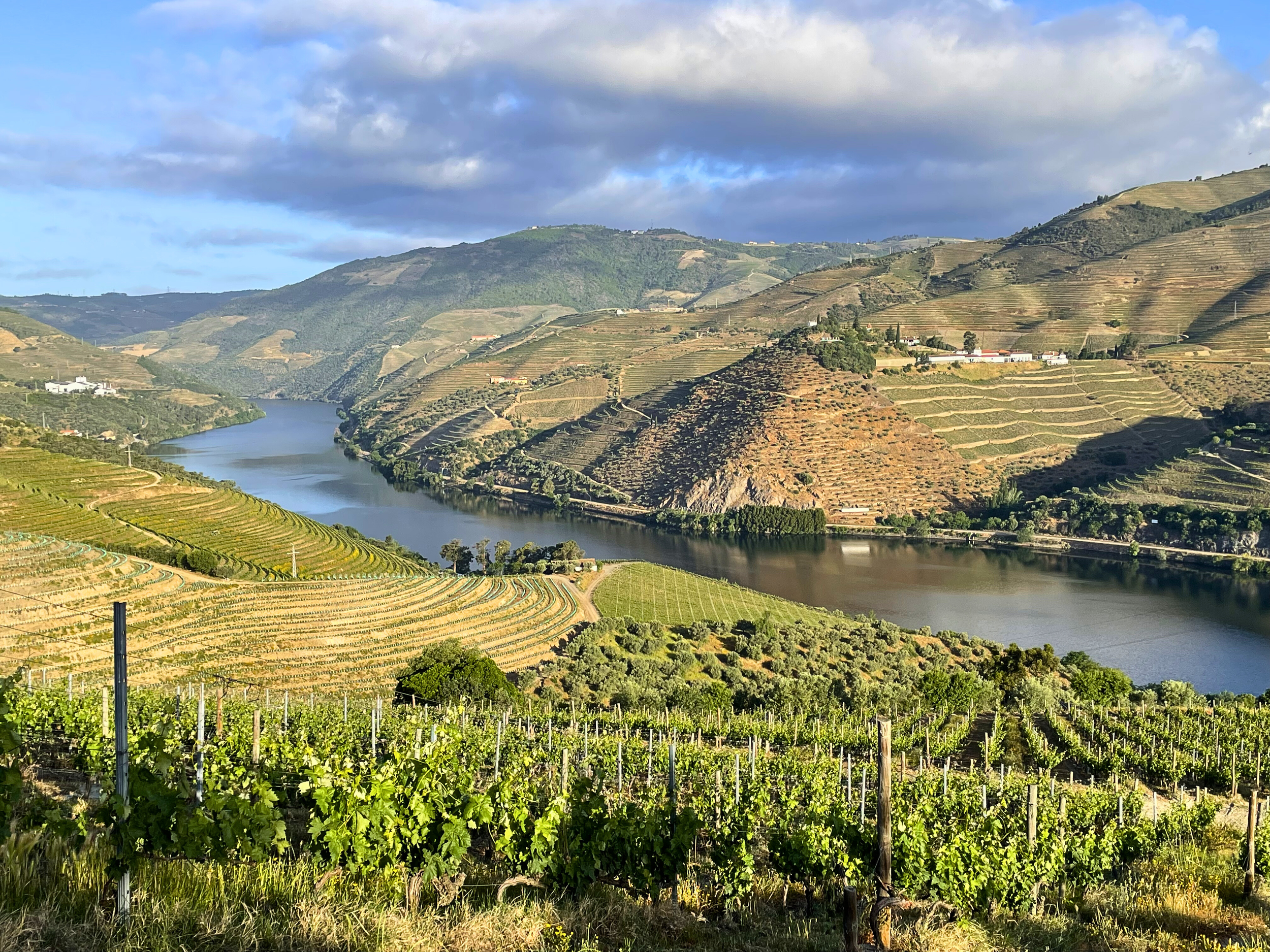
The Irish Vineyard Project
The Irish Vineyard Project began as a family dream: a vision of creating a vineyard that honors the land, the environment, and a passion for winemaking. Today, that dream is taking root, guided by care, commitment, and sustainability. From organic soil management to eco-friendly vineyard practices, here are some of the ways we’re bringing this vision to life, nurturing both the land and our shared dream.
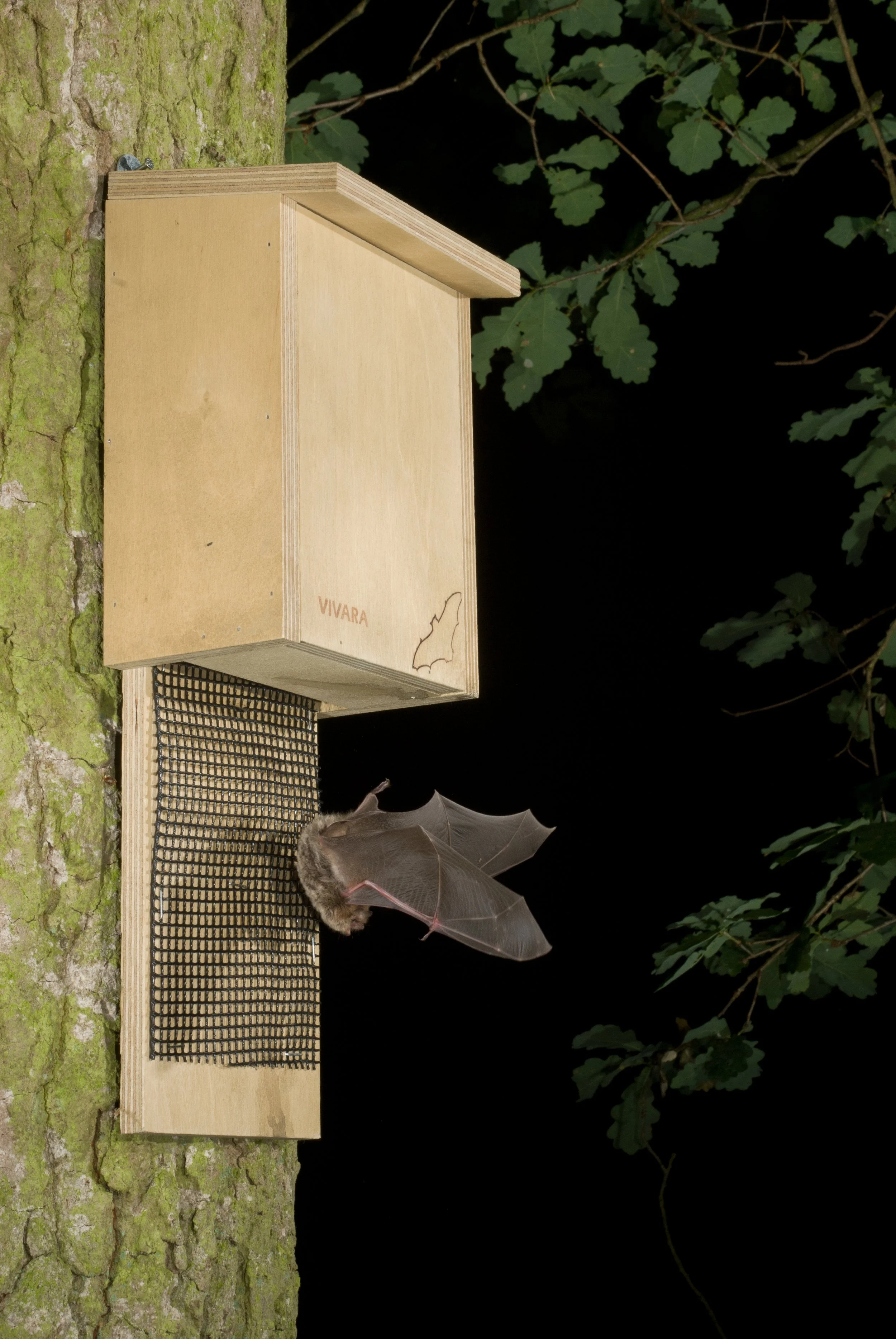
Image courtesy of Bat Conservation IrelandBat boxes are a valuable addition to vineyards, offering a natural and sustainable form of pest control that reduces reliance on chemical pesticides while delivering ecological and economic benefits.
Key benefits:
Natural pest control: Bats consume hundreds to thousands of insects nightly, including vineyard pests like grapevine and berry moths, which reduces crop damage and disease risk.
Reduced chemical use: Supports lower pesticide use, healthier ecosystems, and goals for organic/sustainable certification.
Biodiversity boost: Enhances ecosystem balance and resilience.
Cost savings & branding: Cuts spray costs and supports eco-friendly marketing.
Natural fertiliser: Bat guano provides high-quality organic nutrients.
Habitat support: Boxes replace lost roosting sites, helping sustain local bat populations.
Owl boxes provide a natural, sustainable, and cost-effective way to control rodents in vineyards while enhancing biodiversity.
Key benefits:
Natural pest control: Barn owls can eat 2,000–3,000 rodents a year, reducing gophers, voles, and mice.
Less chemical use: Cuts reliance on rodenticides and avoids harm to other wildlife.
Healthier ecosystem: Supports biodiversity and Integrated Pest Management (IPM).
Cost-effective: Low setup cost, long-term free pest control.
Better crop quality: Healthier vines produce higher-quality grapes.
Habitat support: Provides nesting sites, boosting local owl populations.
Bottom line: Owl boxes deliver effective pest control while supporting a healthier, more sustainable vineyard.
Beehives support vineyard health by boosting biodiversity and ecosystem balance, even though vines don’t rely on bees for pollination.
Key benefits:
Biodiversity: Pollinate wild plants, supporting a richer, more resilient ecosystem.
Soil health: Improve cover crops, enhancing nutrients, structure, and water retention.
Natural pest control: Encourage beneficial insects that reduce vineyard pests.
Potential quality gains: May improve fruit set and reduce uneven ripening or rot risk.
Sustainability signal: Indicate low-chemical, eco-friendly farming.
Added value: Produce honey and enhance visitor experiences.
Bottom line: Beehives strengthen vineyard ecosystems, support sustainability, and can add both environmental and commercial value.

Windrow composting turns winery waste into nutrient-rich compost, improving soil health, vine performance, and sustainability.
Key benefits:
Soil health: Increases organic matter, improves structure, and boosts nutrient retention.
Water resilience: Enhances moisture retention, infiltration, and drought tolerance.
Vine nutrition: Provides slow-release nutrients and supports healthier, more resilient vines.
Pest & disease control: Heat kills pathogens and weed seeds.
Sustainability: Recycles waste, reduces chemical inputs, and lowers costs.
Efficient & scalable: Fast, low-cost method suited to large vineyards.
Bottom line: Windrow composting improves soil, reduces waste, and supports long-term vineyard productivity.
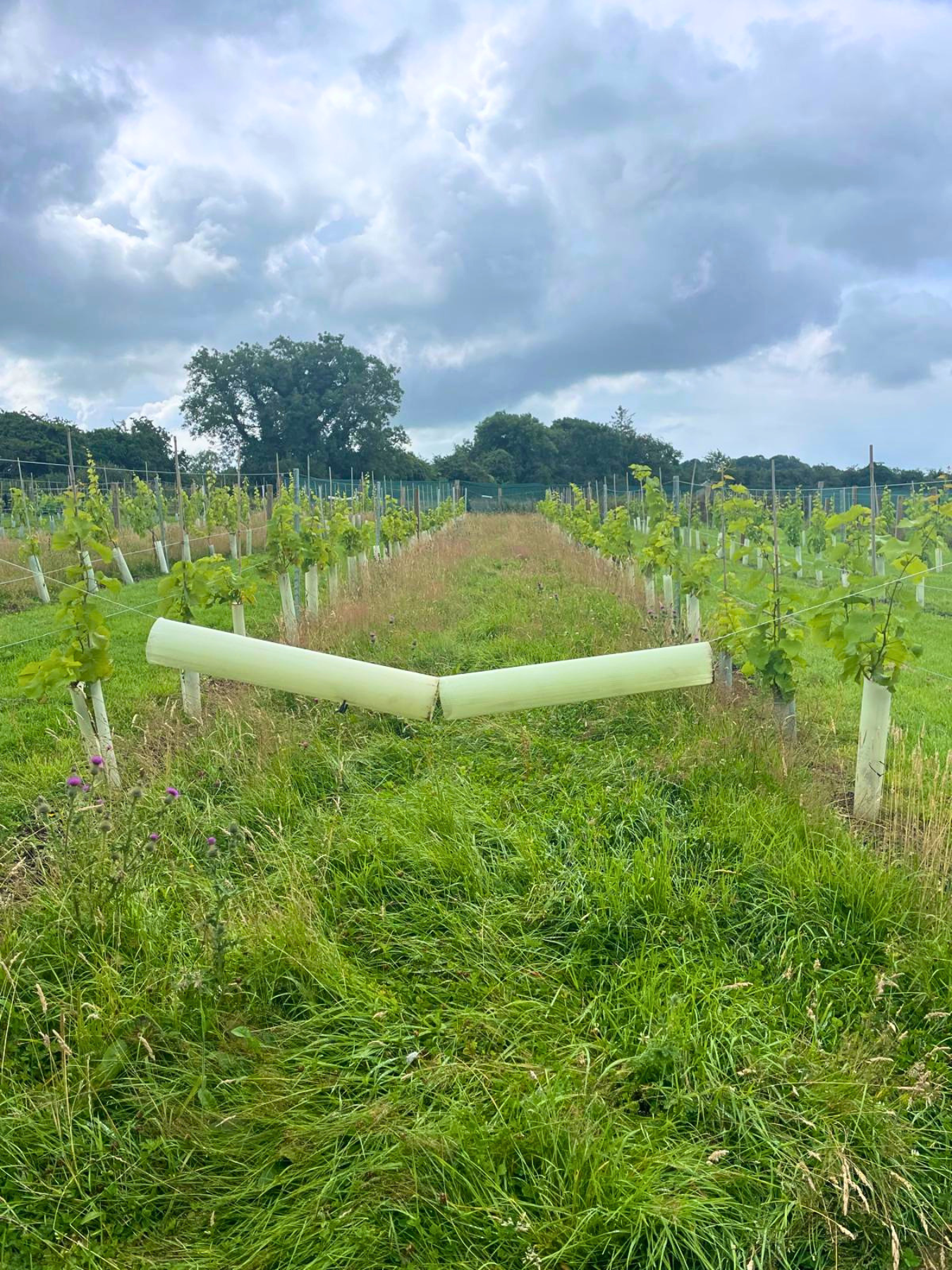
Cover crops in vineyards improve soil, boost biodiversity, and support sustainable vine management.
Key benefits:
Soil health: Prevent erosion, reduce compaction, and enhance water infiltration.
Nutrient management: Legumes fix nitrogen, reducing fertiliser needs.
Weed control: Compete with weeds naturally.
Biodiversity & pest control: Provide habitat for beneficial insects and microorganisms.
Vine vigor: Help balance growth for better fruit quality.
Sustainability: Improve tractor access and reduce mud.
Bottom line: Cover crops strengthen vineyard ecosystems while enhancing soil, vine, and operational health.
Leaf mould bins turn autumn leaves into a sustainable, cost-effective soil conditioner that boosts soil health and water retention.
Key benefits:
Soil structure & moisture: Improves texture in sandy or clay soils and holds water efficiently.
Healthy soil & microbes: Feeds earthworms and beneficial microorganisms.
Weed suppression: Acts as a natural mulch, reducing herbicide use.
Sustainable & free: Recycles vineyard waste into a valuable resource.
Reduced irrigation & disease: Lowers water needs and helps minimise mildew risk.
Bottom line: Leaf mould enhances soil, conserves water, and supports sustainable vineyard management.
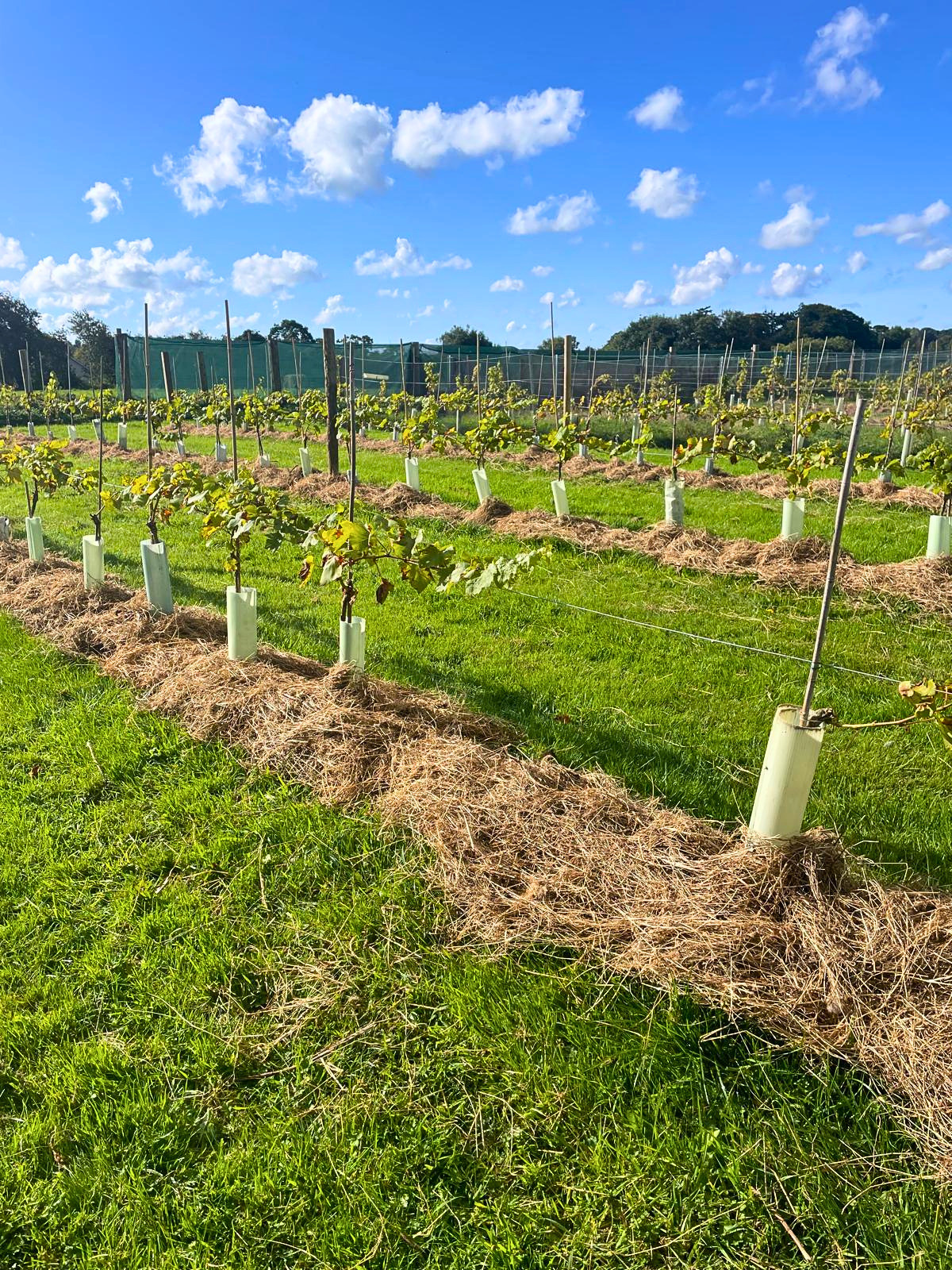
Using local hay as vineyard mulch is a simple, cost-effective way to improve soil health, conserve water, and reduce synthetic inputs—supporting more sustainable, organic viticulture.
Key benefits:
Soil health: Adds organic matter, improves structure, and releases nutrients (N, P, K) as it decomposes, boosting microbial life.
Water efficiency: Retains moisture and improves infiltration, reducing irrigation needs.
Weed control: A thick layer blocks light, suppressing weeds and cutting herbicide use.
Vine performance: Regulates soil temperature, reduces erosion, and can improve yields—especially in hot, dry climates.
Sustainability & cost: Locally sourced hay is often cheap and lowers transport emissions.
Water reclamation in vineyards treats and reuses winery or municipal wastewater for irrigation. This supports sustainability, cuts costs, and ensures water security.
Key benefits:
Water security: Reduces freshwater use and provides a reliable supply during droughts.
Cost savings: Lowers water purchase and disposal costs; nutrients in treated water reduce fertiliser needs.
Soil & crop health: Adds organic matter, improving soil structure, moisture retention, and vine productivity.
Environmental impact: Prevents pollution and supports sustainable vineyard practices.
Reputation boost: Demonstrates commitment to eco-friendly, responsible viticulture.
Bottom line: Water reclamation conserves resources, improves efficiency, and strengthens vineyard sustainability.
Dandelion tea in a vineyard
Key benefits:
From Taraxacum officinale, it can be used as a mild organic “tea” or compost extract
May add trace nutrients and support soil microbes
Fits organic/biodynamic approaches
Dandelions in the vineyard also improve soil and attract beneficial insects